The economy of a squad: co-op lessons that work at the office too
Four classes, one objective, zero heroes. What years of co-op teach about role distribution and communication under pressure.
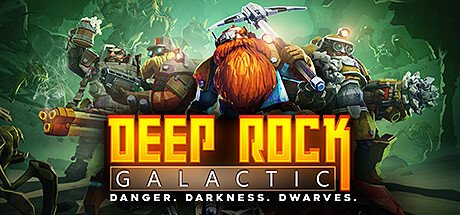
Well-made co-op is an organisation class disguised as fun. After a thousand hours in four-player squads, the patterns separating clean missions from disasters are the same ones from any small team.
Lesson one: complete roles beat overlapping roles. A squad of four flexible players loses to four specialists who trust each other. Overlap creates dispute; gaps create blame. The ideal design covers everything without duplicating.
Lesson two: communicate state, not instructions. 'Out of ammo, reloading behind cover' beats 'get off that one'. Instructions try to command the other player; state lets everyone decide with the same information. Teams trading state decide faster.
Lesson three: the plan includes the exit. Missions that only plan the advance die on the way back. Every objective needs an agreed exit criterion - time, resource or partial success.
Lesson four: review the loss together, briefly. Five minutes of 'what killed the mission' beats an hour of blame. The answer is almost always a state nobody communicated.
None of this requires a game. But a well-chosen game trains all of it in thirty-minute evenings - and Deep Rock Galactic remains the best team simulator with dwarves and mining.
Read next
Age of Empires IV
Civilizations with unique pivots change the opening plan. Mongol and French build orders that work from bronze…
Total War: Warhammer III
Giant campaigns demand priorities. Which factions dominate the map early and which shine at campaign's end.…
Europa Universalis IV
Four centuries of decisions. The first hundred years of trade nations and where the game actually begins.…
Hearts of Iron IV
Fronts, supply and production. Divisions that hold the line and the industry that keeps the war running.…